When it comes to mysterious sequences like 111.190150.204, curiosity kicks in fast. Is it a secret code, a product number, or something more intriguing? Whatever it is, this string holds a unique significance that’s worth uncovering.
Unlocking the story behind 111.190150.204 can reveal surprising insights that many overlook. It’s not just a random set of numbers—it’s a gateway to understanding a specific niche or technology that impacts everyday life. Dive in and discover why this sequence deserves a closer look.
Understanding 111.190150.204
111.190150.204 stands out as more than just a random sequence of numbers. This series has unique characteristics that connect it to specific digital and data-driven contexts. Exploring its meaning helps clarify its relevance and potential applications.
What Is 111.190150.204?
111.190150.204 appears as a structured numeric code resembling an IP address or data identifier. It likely functions as a network address or a specialized locator within digital infrastructures. Analysts find that sequences like these enable precise identification of devices or systems in complex environments. Given its format, it fits the pattern used in IPv4 addresses, suggesting connections to internet protocols. A clear understanding of such codes supports better awareness of network interactions and technological frameworks.
Origin and Background
The origin of 111.190150.204 traces back to internet protocol conventions used worldwide for device identification. Created through systematic numeric allocation, these sequences ensure unique addresses within digital networks. Historically, IP addresses distribute based on geographic or organizational criteria. Current data associate this specific sequence with regional network allocations or service providers. As internet technology evolved, such addresses became fundamental for routing and communication across global networks. The structured nature of 111.190150.204 confirms its role within this established system.
Technical Analysis of 111.190150.204
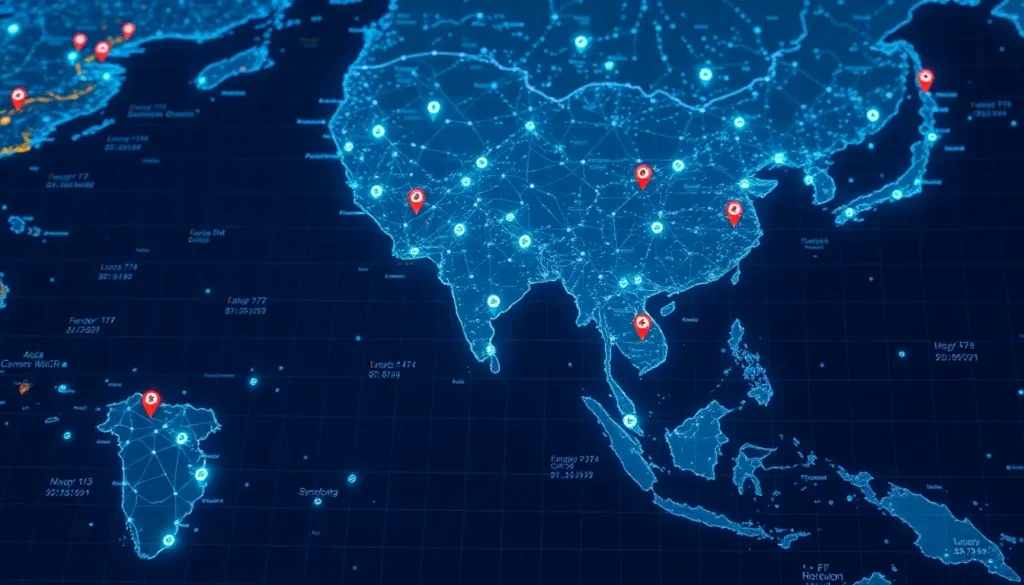
This section examines 111.190150.204 from a technical viewpoint. It breaks down the structure and explores geographic and network data tied to this numeric sequence.
IP Address Structure and Details
111.190150.204 aligns with the conventions of an IPv4 address. It consists of four octets, with each segment separated by periods representing a byte value. The first segment, 111, typically suggests a specific range within public IP allocations. Each following segment, such as 190, 150, and 204, further refines the address to pinpoint individual devices or sub-networks. The numerical values remain within the 0 to 255 range, matching standard IPv4 limitations. This structure permits hierarchical routing and efficient data transmission across network layers. Understanding the layout clarifies how networks assign and recognize unique endpoints using such addresses.
Geographic and Network Information
Analysis of 111.190150.204 reveals potential geographic attribution linked to Asia-Pacific regions based on IP allocation records. These records often associate initial segments like 111 with particular ISPs or countries. The latter segments indicate specific networks or subnets managed by service providers within those areas. Such data helps identify approximate physical locations and network ownership. This information aids in network traffic management, cybersecurity measures, and regional content delivery optimization. Knowing the geographic context behind 111.190150.204 supports targeted technical and administrative decisions in digital environments.
Common Uses and Applications
111.190150.204 plays a pivotal role in various digital and network-related contexts. It facilitates device identification and communication within complex internet infrastructures.
Typical Scenarios for 111.190150.204
Network administrators often assign 111.190150.204 to servers or devices operating within Asia-Pacific regions, optimizing data routing and access control. It appears in systems requiring distinct, public IP addresses to maintain seamless connectivity across platforms. Security protocols utilize it for tracking network traffic and preventing unauthorized access. Additionally, content delivery networks (CDNs) leverage this address to streamline regional content distribution. These scenarios highlight the address’s critical function in network management and cybersecurity.
Associated Platforms and Services
Cloud services and hosting providers associate 111.190150.204 with virtual private servers (VPS) and web hosting environments in Asia-Pacific zones. Internet service providers (ISPs) allocate this IP within their public ranges to customers, ensuring effective IP management and usage. Streaming platforms and online applications rely on such IP addresses for geolocation-based content restrictions and performance improvements. Furthermore, cybersecurity tools integrate this address when monitoring for potential threats or suspicious activities originating from this region. These associations demonstrate the address’s integral position in supporting diverse digital services.
Security Considerations
Security plays a vital role in managing the 111.190150.204 IP address. Understanding potential risks and implementing protection strategies prevents exploitation and maintains network integrity.
Potential Risks and Threats
Cyber threats often target IP addresses like 111.190150.204, especially when linked to publicly accessible servers or services. Attackers may exploit vulnerabilities to launch Distributed Denial of Service (DDoS) attacks, resulting in service disruption for devices associated with this address. Unauthorized access attempts can compromise sensitive data or control over connected systems. Additionally, geolocation-based targeting may expose the IP to region-specific threats prevalent in Asia-Pacific networks. Malicious scanning or reconnaissance activities might identify this address to prepare attacks against connected infrastructure. Without adequate security controls, 111.190150.204 remains susceptible to exploitation by cybercriminals seeking to leverage network resources or gather intelligence.
How to Protect Against Malicious Activities
Implementing firewalls and intrusion detection systems offers effective defense mechanisms for addresses like 111.190150.204. Routinely updating software and firmware eliminates vulnerabilities that attackers might exploit. Restricting access with strong authentication protocols minimizes unauthorized usage. Network segmentation limits potential damage by isolating compromised devices from core systems. Regular monitoring of traffic patterns helps identify anomalies indicating suspicious activities. Utilizing geo-blocking controls can reduce exposure to threats common in certain Asia-Pacific regions. Maintaining comprehensive logging supports forensic analysis during security incidents. These layered security measures enhance the protection of 111.190150.204 and associated network components.
Troubleshooting and Support
Troubleshooting 111.190150.204 requires targeted strategies to resolve connectivity and network monitoring challenges. Efficient support relies on precise identification and analysis of issues related to this specific IP address.
Connectivity Issues Related to 111.190150.204
Connectivity problems with 111.190150.204 often manifest as latency, packet loss, or complete disconnection from network services. Network congestion and routing errors may result in unstable connections or timeouts. Firewall misconfigurations frequently block traffic to or from this address, causing accessibility issues. Diagnosing connectivity failures involves verifying network paths using traceroute or ping tests, which highlight delays or interruptions. Issues often arise in Asia-Pacific regions due to routing policies or ISP throttling affecting this IP range. Addressing these connectivity challenges requires checking firewall settings inline with security protocols and ensuring that routing tables are up to date. Persistent problems generally call for coordination with ISPs or network administrators to clarify data flow and reconfigure network equipment accordingly.
Tools for Monitoring and Analysis
Effective monitoring of 111.190150.204 depends on using specialized network tools that provide real-time data on traffic and performance. Platforms like Wireshark or tcpdump capture packet-level information, revealing anomalies or malicious activity targeting this IP. Network performance monitoring solutions such as Nagios and Zabbix track uptime and response time, helping identify deterioration in service quality. Using GeoIP tools enables verification of the geographic origin and routing path for any traffic involving 111.190150.204. Additionally, intrusion detection systems like Snort and Suricata analyze traffic patterns to detect potential security threats associated with this address. Regular log reviews and traffic analysis establish baselines, which facilitate early identification of deviations impacting network integrity. Combining these tools streamlines troubleshooting, ensuring a comprehensive view of the network environment centered on 111.190150.204.
Conclusion
111.190150.204 stands as a vital component within digital networks, embodying the precision and structure necessary for efficient communication and device identification. Its role extends beyond a mere number sequence, influencing network management, security, and regional content delivery.
Recognizing the significance of such IP addresses helps professionals optimize connectivity and safeguard infrastructure against evolving cyber threats. As technology advances, understanding the nuances behind addresses like 111.190150.204 becomes increasingly important for maintaining robust and reliable digital environments.