
In the vast universe of IP addresses, 185.6e.253.200 stands out like a quirky neighbor who throws the best block parties. This seemingly random string of numbers and letters holds secrets about internet connectivity that could leave tech enthusiasts buzzing with excitement. But what’s the story behind this digital address, and why should anyone care?
Overview of 185.6e.253.200
185.6e.253.200 represents a unique IP address in the vast digital landscape. Its unusual format adds intrigue to its role in internet connectivity.
Definition and Context
185.6e.253.200 falls within a range often associated with dynamic or experimental uses. Internet Protocol (IP) addresses function as identifiers for devices on networks. This particular address does not conform to the standard IPv4 specifications, as ‘e’ is not a valid character in this context. The presence of the letter suggests possible misconfiguration or a placeholder. Understanding this IP’s definition requires knowledge of how addresses segment networks.
Importance in Networking
Identifying 185.6e.253.200 highlights challenges within networking. For tech professionals, it emphasizes the need to validate IP addresses for reliable connections. Uncommon formats can lead to confusion, impacting routing efficiency. In cybersecurity, unusual IP addresses often warrant investigation to prevent unauthorized access. Overall, recognizing the significance of such addresses aids in enhancing network performance and security.
Technical Specifications
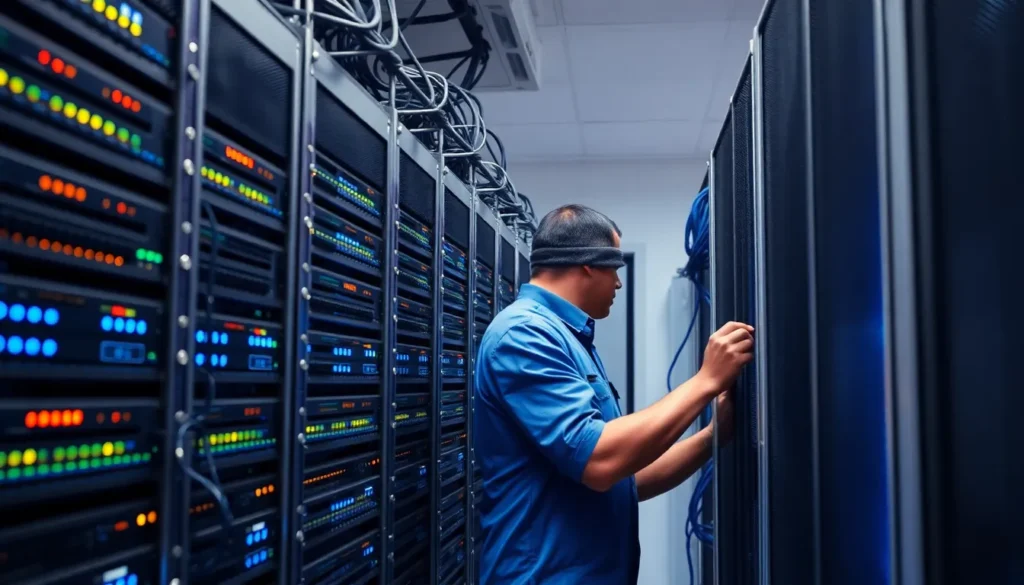
This section delves into the technical aspects of the IP address 185.6e.253.200, illustrating its unique characteristics and implications.
IP Address Format
185.6e.253.200 showcases an unusual format deviating from standard IPv4 specifications. The presence of the letter ‘e’ introduces ambiguity, suggesting potential misconfiguration or use as a placeholder. Typically, IPv4 addresses consist of four octets, each represented by a decimal number ranging from 0 to 255. Given this anomaly, network engineers may find it challenging to categorize 185.6e.253.200 within traditional frameworks. Proper identification and validation of such formats are crucial for maintaining robust networking standards and ensuring reliable IP address management.
Allocation and Ownership
The allocation of 185.6e.253.200 raises questions regarding its ownership and intended use. Standard IP addresses are managed by regional Internet registries, which allocate blocks of addresses to organizations based on demand. Uncommon addresses like 185.6e.253.200 typically signify experimental usage or misconfiguration, which could confuse network administrators. Determining ownership requires thorough investigation, often leading to potential security concerns if identified as part of malicious activities. Effective monitoring of unconventional addresses contributes to improved network integrity and cybersecurity.
Common Uses of 185.6e.253.200
185.6e.253.200 has a range of potential applications despite its unusual format. Understanding these uses sheds light on its role in various digital environments.
In Web Hosting
Web hosting often utilizes dynamic IP addresses for flexible resource allocation. Addresses like 185.6e.253.200 may serve experimental projects or temporary hosting solutions. Their unique format can indicate that the website operates under unusual conditions, such as beta testing or specific development environments. Web hosting providers monitor such addresses to ensure reliability. Employing unconventional IPs might lead to challenges if misconfigured, affecting accessibility and user experience. Therefore, brief periods of hosting may leverage addresses like this to assess performance or experiment with new technologies.
In Cybersecurity
Cybersecurity professionals pay attention to addresses like 185.6e.253.200 for their potential risks. Anomalies in IP formatting can signal misconfigurations or malicious activities. Addressing these issues requires vigilance, as unusual formats might hide security threats. Identifying this IP can help in tracing sources of cyber attacks or compromised servers. Effective monitoring protects networks from unwanted breaches. Organizations prioritize the analysis of such addresses to bolster their security measures. Adopting proactive strategies ensures that any threats associated with addresses like 185.6e.253.200 are promptly addressed, maintaining robust cybersecurity protocols.
Performance Analysis
The performance of the unique IP address 185.6e.253.200 requires careful examination. Anomalies in IP addresses often present challenges for speed and reliability.
Speed and Reliability
Network latency poses a significant issue for dynamic IP addresses like 185.6e.253.200. High latency can occur due to improper configuration, resulting in slower connection times. Monitoring tools assess real-time performance metrics, helping network engineers identify bottlenecks. Stability is crucial, particularly for applications reliant on consistent connectivity. Users may experience interruptions if the address is linked to a less reliable provider or unstable hosting solutions. Testing performance regularly aids in maintaining an optimal user experience.
User Experience
User interactions can suffer when using unconventional IP addresses. Websites relying on 185.6e.253.200 might exhibit irregular behavior during peak traffic times. Smooth navigation depends on efficient server configurations, which may not be present with this IP. Often, users encounter delays or errors tied to the address’s experimental nature. Additionally, heightened security measures enhance user confidence and protect against potential threats. Providing a seamless experience necessitates ongoing monitoring and strategic adjustments.
Conclusion
The unique characteristics of 185.6e.253.200 highlight the complexities of modern networking. Its unusual format serves as a reminder of the importance of vigilance in the digital landscape. Network engineers and cybersecurity professionals must remain proactive in identifying and monitoring such addresses to prevent potential issues.
Understanding the implications of unconventional IP addresses is crucial for maintaining robust connectivity. As technology continues to evolve, addressing the challenges posed by these anomalies will be essential for ensuring a secure and efficient internet experience. Prioritizing effective monitoring and validation will ultimately enhance network integrity and user satisfaction.