When it comes to numbers like 185.63.2653.200, curiosity kicks in fast. Is it a secret code? A mysterious IP address? Or maybe a hidden gem in the digital world? Whatever it is, it’s certainly worth a closer look. This string of digits might just hold the key to something bigger than it seems.
In today’s tech-driven landscape, understanding these numerical puzzles can unlock new insights and opportunities. Whether you’re a tech enthusiast or just someone who loves cracking codes, diving into the story behind 185.63.2653.200 promises to be both intriguing and rewarding. Ready to unravel the mystery? Let’s get started.
Overview of 185.63.2653.200
This sequence, 185.63.2653.200, stands out due to its unique numerical format. Understanding its structure and potential meaning reveals its relevance.
What Is 185.63.2653.200?
185.63.2653.200 resembles an IP address but contains an irregular segment, 2653, exceeding the normal range of 0 to 255 in IP address notation. It may represent a concatenation or coding format instead of a standard internet protocol address. Such sequences often appear in network configurations, software versions, or encryption keys, but the nonconforming number suggests an alternative interpretation. Its composition encourages analysis beyond typical addressing protocols for insights into cryptic or system-specific identifiers. Interpretation requires contextual information that clarifies if it encodes data, geographic tags, or proprietary system metrics.
Common Uses and Applications
Sequences like 185.63.2653.200 frequently appear in technical fields such as cybersecurity, data management, or proprietary digital systems. Organizations may use similar strings as unique identifiers for devices, nodes, or software builds. In networking, the sequence could serve as an advanced label within custom frameworks rather than a valid public address. Additionally, it might link to internal tracking or software versioning where standard IP restrictions do not apply. Software developers and IT professionals encounter analogous strings while managing asset inventory, running diagnostics, or configuring network elements with extended notation beyond public IP standards.
Technical Specifications
The sequence 185.63.2653.200 requires careful examination to uncover its technical meaning. Clarity emerges when analyzing its IP address classification and geographic network details.
IP Address Classification
The number 185.63.2653.200 partially fits the IPv4 address format but includes 2653, which exceeds the valid octet range of 0 to 255. This discrepancy rules out classification as a standard IPv4 address. It may represent a custom identifier or a coded sequence used in specific network systems. Standard IPv6 addresses, however, follow a different structure with hexadecimal notation and colons, which this sequence does not match. Network engineers typically see valid IPs divided into four octets within the allowed numeric range, making 2653 an anomaly that suggests this string functions beyond standard IP protocols.
Geographic and Network Information
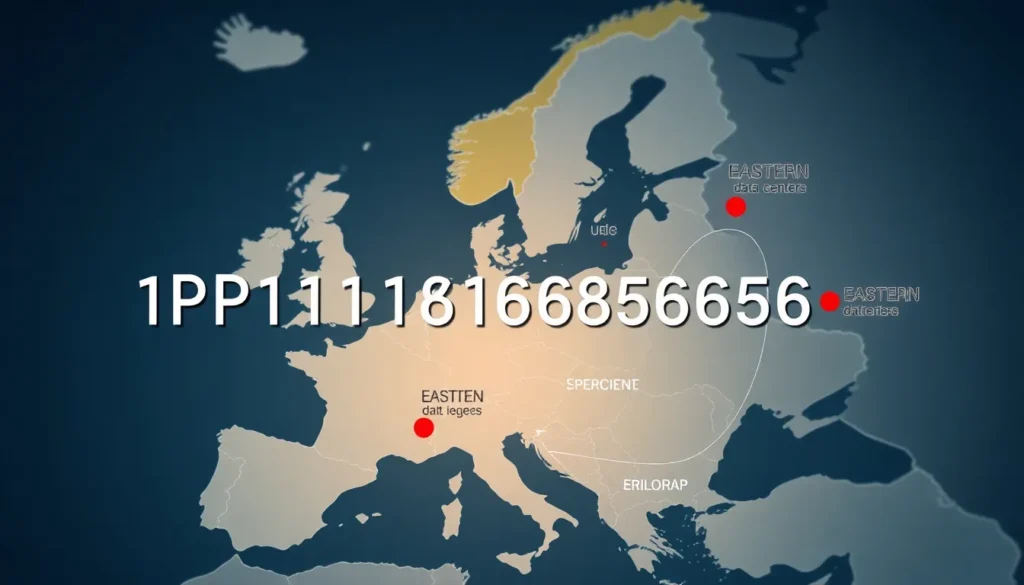
IP addresses in the 185.0.0.0 to 185.255.255.255 range generally originate from Europe, particularly Eastern European regions. Providers using the 185.63 prefix often assign it to data centers or hosting services in this area. Since 2653 is invalid as an IP segment, it likely encodes additional network or location-specific metadata rather than defining geographic attributes. Geolocation tools cannot directly map this string without adjustment. Network analysts suspect this segment denotes an embedded code related to internal routing or device identification used by certain service providers operating within this IP block.
Security and Privacy Considerations
Understanding the security and privacy implications related to 185.63.2653.200 involves recognizing its atypical format and potential use in network contexts. The sequence may contain hidden metadata, raising concerns about unauthorized data tracking or access.
Potential Risks Associated with 185.63.2653.200
The invalid IP segment 2653 suggests this sequence serves beyond standard addressing, increasing risks tied to obscured network identifiers. Attackers could exploit such coded sequences to mask malicious activities within legitimate-looking traffic. Its association with the 185.63 range, commonly used by European data centers, may expose users to targeted cyber threats originating from those infrastructures. Leakage of embedded metadata might allow tracking or profiling without users’ consent. The obfuscated nature of 185.63.2653.200 complicates detection by conventional IP monitoring tools, elevating the chance of undetected intrusions.
How to Protect Yourself When Interacting with This IP
Users must apply rigorous filtering and monitoring when encountering 185.63.2653.200 or its related formats. Employing updated firewall rules can block suspicious patterns linked to irregular IP segments. Logging network interactions with addresses in the 185.63 range helps identify abnormal behavior potentially tied to this coded sequence. Avoid granting remote access permissions to devices showing connections to variants of 185.63.2653.200 unless verified through secure channels. Utilizing intrusion detection systems capable of recognizing nonstandard IP formats enhances protection against hidden threats embedded in such numerical identifiers.
How to Trace and Monitor 185.63.2653.200
Tracing and monitoring 185.63.2653.200 involves using specialized tools and interpreting complex data. Understanding this irregular sequence’s nature requires adapting traditional IP tracking methods to its unique format.
Tools for IP Tracking
Network administrators often rely on tools like Wireshark, IPinfo, and MaxMind GeoIP for detailed IP analysis. These tools help reveal location, ISP details, and network routing even when the IP format deviates from standards. When encountering sequences such as 185.63.2653.200, tools that support custom or encoded identifiers provide better insight. Automated monitoring systems with filtering capabilities also identify anomalies linked to unusual IP structures, alerting users to potential security risks. Utilizing these applications ensures efficient tracking while managing complex or nonstandard IP-like sequences effectively.
Interpreting IP Data
Interpreting data from 185.63.2653.200 requires decoding embedded information beyond typical IPv4 constraints. The extended segment 2653 indicates possible metadata related to internal routing or device identification rather than a geographic location. Analysts focus on context clues within network logs and combine them with results from IP tracking tools to reconstruct the sequence’s purpose. Cross-referencing with known data center blocks and investigating service provider records often clarify its role. Recognizing such encoded sequences as potential security flags aids in preventing misuse or unauthorized access linked to masked network traffic.
Conclusion
The sequence 185.63.2653.200 challenges conventional understanding of IP addresses, hinting at a more complex or coded function within network systems. Its irregular format underscores the importance of advanced tools and vigilant monitoring to decode and manage such anomalies effectively.
As technology evolves, recognizing and interpreting unique identifiers like this becomes essential for maintaining network security and preventing misuse. Staying informed about these unconventional patterns equips professionals to safeguard digital environments with greater confidence.