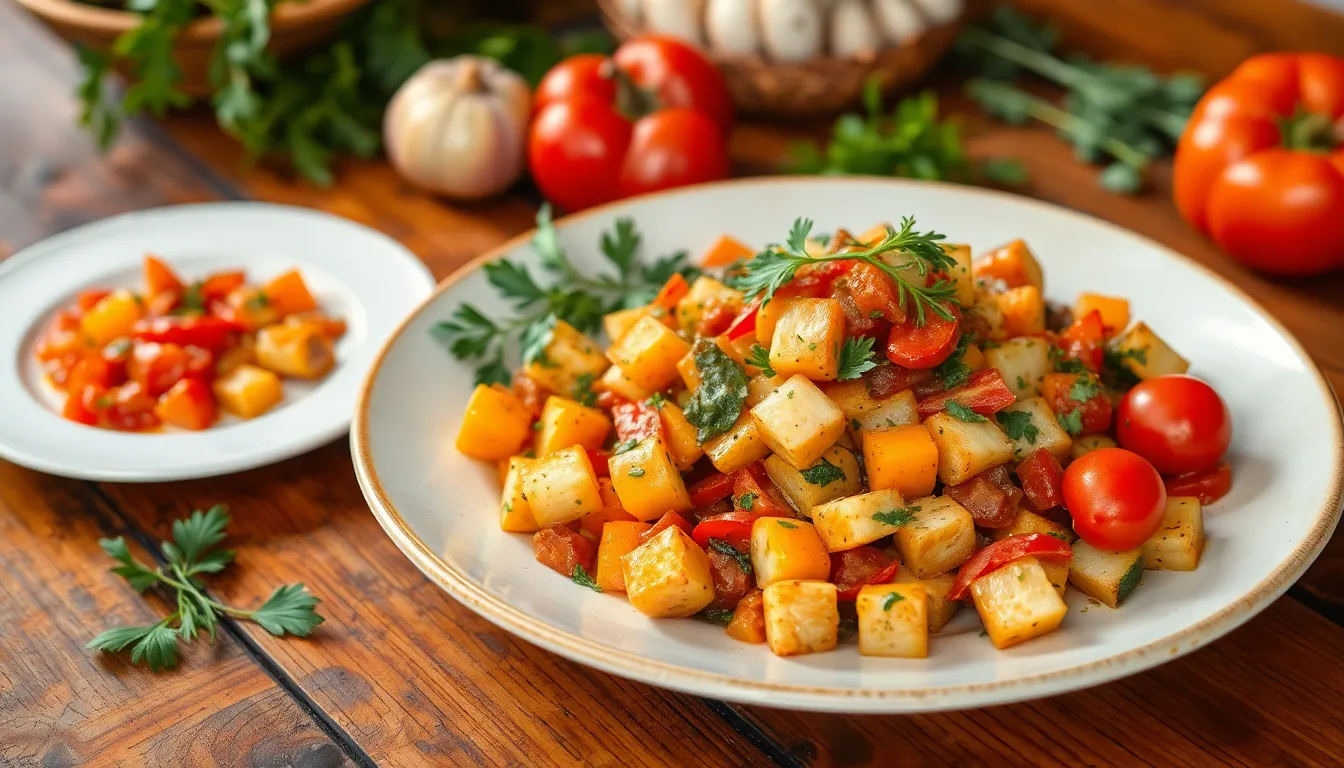
In the quirky world of culinary delights, few things spark curiosity quite like fascagail. This unique dish has a way of turning heads and tantalizing taste buds, making it a must-try for adventurous foodies. Imagine a blend of flavors that dances on the palate, leaving you craving more. If you’re tired of the same old meals, it’s time to spice things up with this unexpected gem.
Overview of Fascagail
Fascagail comprises a unique blend of ingredients that create a distinct flavor profile. This dish features a combination of vegetables, herbs, and spices that work together to provide a vibrant taste. Ingredients often include seasonal produce, offering freshness in every bite.
Additionally, fascagail showcases regional influences, drawing inspiration from various culinary traditions. It’s common to find variations in preparation methods based on local customs and available ingredients. Many chefs enhance the dish with artisanal techniques, elevating its presentation.
Fascagail’s versatility allows for endless adaptations, making it suitable for different dietary preferences. Vegetarians can enjoy it as a wholesome meal, while meat lovers often incorporate proteins for added richness. The dish pairs well with a variety of sides, complementing different flavors and textures.
Serving fascagail at gatherings adds an element of sophistication to any menu. Diners frequently appreciate its unique taste and vibrant colors, making it an eye-catching centerpiece. Sharing the dish often results in lively discussions about its origins and variations.
Overall, fascagail captivates food enthusiasts by offering a culinary experience that excites the palate. Exploring this dish encourages adventurous eaters to step outside their comfort zones and discover new flavor combinations that delight the senses.
Key Benefits of Fascagail
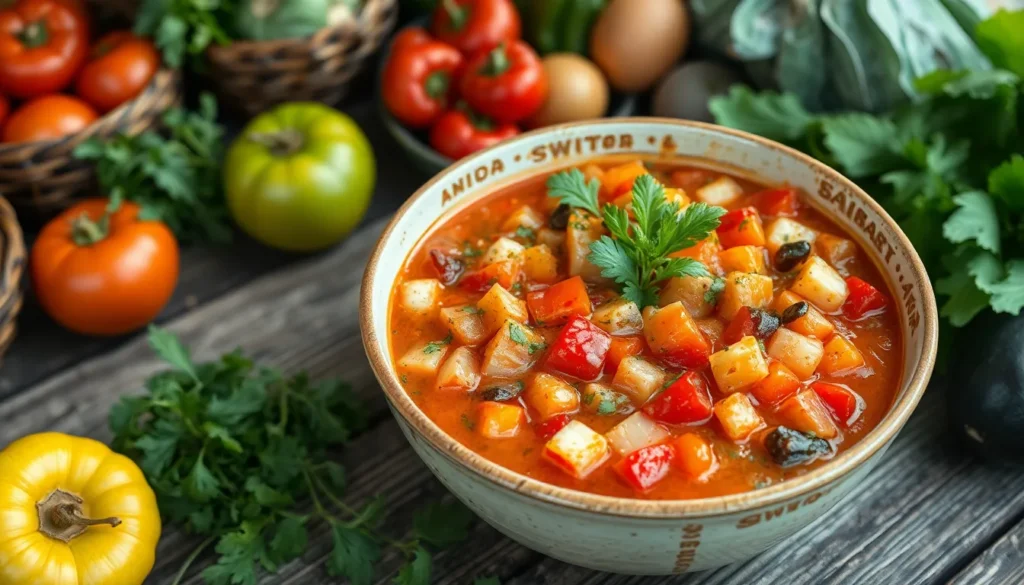
Fascagail delivers numerous advantages, making it a dish worthy of attention. Its unique combination of ingredients contributes to both health and environmental sustainability.
Health Benefits
Fascagail features an array of vegetables, which enhances nutritional value. Its variety of colorful produce offers vitamins, minerals, and fiber essential for overall wellness. Seasonal ingredients ensure maximum freshness and flavor, promoting better digestion and nutrient absorption. Many chefs incorporate high-antioxidant herbs and spices in their preparations. These additions may support immune health and combat inflammation. Consuming fascagail can also satisfy diverse dietary preferences, making it an appealing choice for meat lovers and vegetarians alike.
Environmental Impact
Fascagail emphasizes locally sourced ingredients, reducing carbon footprints associated with long-distance transportation of foods. Seasonal produce minimizes the need for artificial fertilization and pesticides, promoting sustainable agriculture practices. Community-supported agriculture plays a vital role, connecting consumers directly with local farmers. Supporting local markets fosters biodiversity and strengthens regional economies. By celebrating these local flavors, fascagail encourages efforts toward environmental responsibility and conscientious eating habits.
How to Use Fascagail
Using fascagail can transform a meal into a colorful culinary adventure. This dish appeals to diverse palates, making it a versatile choice for many occasions.
Recommended Dosage
Fascagail serves well as a main or side dish. Portions can vary based on appetite and dietary needs, but about one to two cups per serving is common. Its nutritious ingredients make a smaller serving still satisfying. If incorporating it into a larger meal, one cup complements proteins like chicken or fish effectively. Balancing this dish with other components ensures an enjoyable dining experience.
Preparation Methods
Various methods exist for preparing fascagail, allowing for customized results. Steaming vegetables helps retain their vibrant colors and nutrients. Sautéing with olive oil enhances flavors while providing a rich texture. Roasting adds depth to the taste, especially with seasonal produce. Fresh herbs and spices elevate the dish, showcasing unique regional profiles. For a creamy texture, consider blending some vegetables into a sauce. These preparation techniques ensure fascagail remains appealing and adaptable across different occasions.
Possible Side Effects
Fascagail, while celebrated for its health benefits, may cause side effects in some individuals. Potential reactions could include digestive discomfort, particularly for those unaccustomed to high fiber diets. Vegetables and spices often used in fascagail might trigger allergies, leading to symptoms like hives or swelling for sensitive individuals.
Increased intake of certain ingredients, such as garlic or onion, might also cause gastrointestinal issues for some. Eating fascagail in large quantities can result in bloating or gas due to its rich fiber content. Individuals on specific medications should be cautious, as some herbs may interact poorly with pharmaceuticals.
Monitoring any adverse reactions is crucial. If discomfort arises after consuming fascagail, consulting with a healthcare professional is advisable. Pregnant or breastfeeding women may also need to consider ingredient safety, ensuring all components are safe for their condition.
Another aspect to consider involves the preparation methods. Sautéing or roasting vegetables can alter their nutritional properties, which might affect individual reactions. Choosing fresh, seasonal ingredients minimizes risk, but ensuring proper storage and handling remains vital.
Ultimately, fascagail offers a delightful culinary experience. However, individuals with specific dietary restrictions or food sensitivities must approach new foods like fascagail with care to enjoy its flavors without adverse effects.
Conclusion
Fascagail stands out as a vibrant dish that not only tantalizes taste buds but also supports health and sustainability. Its diverse ingredients and adaptable nature make it an exciting choice for any meal. By incorporating seasonal produce and artisanal techniques, fascagail elevates dining experiences and sparks conversations about culinary traditions.
As more people seek out nutritious and eco-friendly options, fascagail’s emphasis on local sourcing and biodiversity resonates deeply. While it offers numerous benefits, individuals should remain mindful of potential side effects and dietary restrictions. With a little care and creativity, fascagail can transform any gathering into a memorable culinary adventure.