
Babaijabeu, a captivating blend of tradition and modernity, has been gaining attention in recent years. This unique cultural phenomenon, rooted in rich history, reflects the vibrant tapestry of its origins while adapting to contemporary influences. As people seek deeper connections to their heritage, babaijabeu emerges as a symbol of identity and pride.
Exploring babaijabeu reveals not just its significance but also the stories and practices that shape it. From its origins to its evolving role in today’s society, this topic offers a fascinating glimpse into a world where culture thrives. Whether one is a curious newcomer or a seasoned enthusiast, understanding babaijabeu opens doors to a deeper appreciation of cultural diversity.
Overview of Babaijabeu
Babaijabeu represents a vibrant cultural expression that intertwines historical significance with modern sensibilities. Rooted in rich traditions, it serves as a powerful symbol of identity and community pride. This phenomenon thrives on storytelling, where narratives from the past resonate in contemporary practices.
Babaijabeu’s origins trace back to specific cultural groups, where social customs and artistic expressions flourished. It encapsulates rituals, attire, and music unique to these cultures, fostering a sense of belonging among its practitioners. The integration of modern elements into babaijabeu reflects societal changes while maintaining the essence of its heritage.
As individuals engage with babaijabeu, they partake in an evolving cultural dialogue that celebrates diversity. Its adaptability signals a commitment to preserving traditions while embracing new influences, making it relevant for both current and future generations. Understanding babaijabeu enriches appreciation for cultural nuances, enabling individuals to connect with its ongoing narrative and significance.
Cultural Significance
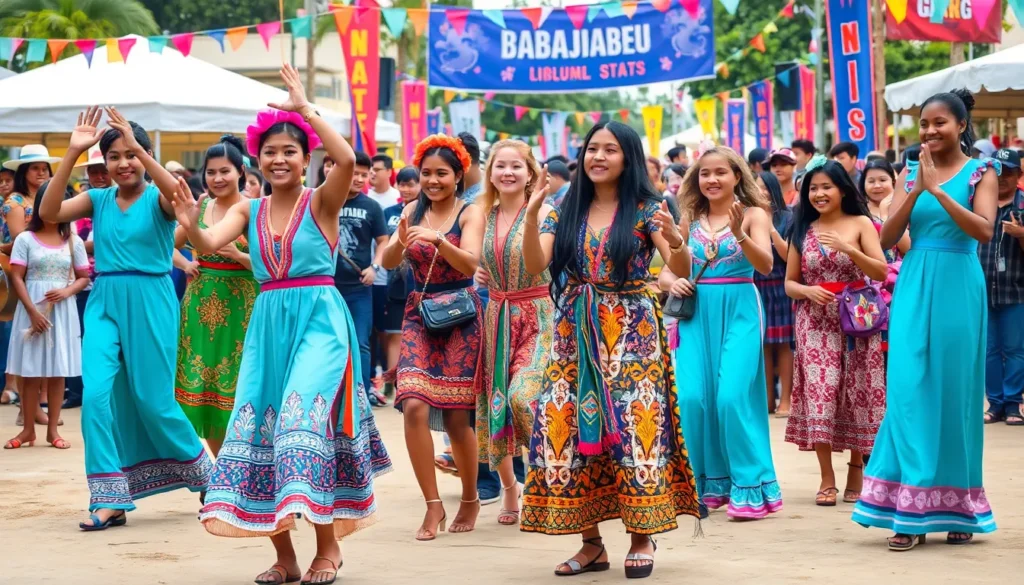
Babaijabeu holds a profound cultural significance, merging its historical roots with contemporary expressions. Understanding its importance offers insights into identity, community, and pride among practitioners.
Historical Background
Babaijabeu originated from specific cultural groups, often linked to traditional practices that shaped their communal identity. Historical narratives emphasize the importance of rituals that fostered unity and expression among these groups. These rituals included dances, music, and attire, each reflecting the customs and beliefs of the past. Notably, babaijabeu’s roots trace back to a time when storytelling served as a primary means of preserving history, allowing generations to connect with their ancestors. Historical artifacts and records provide evidence of its evolution, marking significant milestones that influenced its current form.
Modern Interpretation
In today’s context, babaijabeu represents a dynamic cultural expression that resonates with younger generations. The integration of modern elements has led to innovative adaptations while preserving its core values. Events showcasing babaijabeu often feature contemporary music styles, fusion dance forms, and modern attire, attracting diverse audiences. This reinterpretation maintains cultural relevance, ensuring that its essence endures. Practitioners often use social media platforms to share their experiences, further promoting the cultural dialogue surrounding babaijabeu. As a result, it becomes a living tradition, continually evolving and embracing the complexities of modern society while honoring its historical significance.
Taste and Texture Profile
Babaijabeu’s taste and texture create a unique culinary experience that embodies its cultural roots. Diverse flavors and various techniques contribute to its rich profile.
Ingredients Used
Babaijabeu incorporates several key ingredients, each adding depth to the dish.
- Herbs and Spices: Fresh herbs like cilantro and dill enhance flavor, while spices such as cumin and turmeric provide warmth.
- Proteins: Commonly used proteins include chicken, lamb, or fish, delivering richness and heartiness.
- Grains: Rice or couscous forms the base, contributing texture alongside the other components.
- Vegetables: Seasonal vegetables like bell peppers, eggplant, and tomatoes add color and freshness to each serving.
Cooking Techniques
Babaijabeu relies on a variety of cooking techniques that enhance its flavors and textures.
- Stewing: Slow-cooking allows the flavors to meld, ensuring a tender and cohesive dish.
- Grilling: Grilled meats impart a smoky flavor, complementing the overall taste profile.
- Sautéing: Quick cooking of vegetables through sautéing preserves their crunch and nutrients.
- Braising: This technique proves effective for tougher cuts of meat, rendering them juicy and flavorful.
The interplay of ingredients and cooking methods in babaijabeu creates a complex yet harmonious taste and texture, appealing to a wide array of palates.
Popular Variations
Babaijabeu features several popular variations that reflect its cultural richness and adaptability. These variations illustrate how different regions and modern influences shape the traditional experience.
Regional Differences
Regional differences significantly influence the preparation and presentation of babaijabeu. Various areas incorporate distinct ingredients and cooking methods that highlight local flavors. These differences include:
- North Africa: In Tunisia and Morocco, babaijabeu often features spices like cumin and coriander, along with preserved lemons. The dish incorporates couscous as a staple grain, enhancing its texture and taste.
- Middle East: In Lebanon and surrounding regions, variations include marinated meats grilled over open flames, served with fresh tabbouleh and pita. The use of fresh herbs and citrus showcases the vibrant flavors typical of this area.
- Sub-Saharan Africa: In countries like Nigeria, babaijabeu adapts with local staples such as yams or plantains, emphasizing hearty, starchy components. The harmonious blend of spices adds depth to the experience.
Fusion Adaptations
Fusion adaptations of babaijabeu present creative interpretations that merge traditional elements with contemporary cuisines. These adaptations often cater to modern tastes while preserving cultural roots. Notable examples include:
- Babaijabeu Tacos: A fusion that combines traditional babaijabeu flavors with a taco shell, featuring fillings like spiced meats, fresh salsa, and avocado.
- Babaijabeu Bowls: This version presents the dish as a bowl meal, layering grains, proteins, and veggies, accompanied by flavorful sauces.
- Vegan Babaijabeu: Plant-based adaptations replace traditional proteins with chickpeas or lentils, using spices and fresh vegetables to maintain authentic flavors.
Each of these variations highlights the dynamic nature of babaijabeu, illustrating how cultural heritage evolves while staying rooted in tradition.
Conclusion
Babaijabeu stands as a testament to the resilience of cultural heritage in a rapidly changing world. It beautifully blends tradition with modern influences creating a vibrant expression that resonates with diverse audiences. As practitioners continue to innovate while honoring their roots babaijabeu thrives as a living tradition.
Its culinary richness and adaptability highlight the importance of preserving cultural identity while embracing contemporary trends. This dynamic phenomenon not only fosters community and pride but also invites newcomers to explore its depths. The ongoing evolution of babaijabeu ensures its relevance and appeal, making it a significant part of the cultural landscape today.